THE LUNATALE
A toy is devoted to creating a space through games for young girls to start discussing menstruation.
Feb.2024-Jun.2024/ Master’s thesis
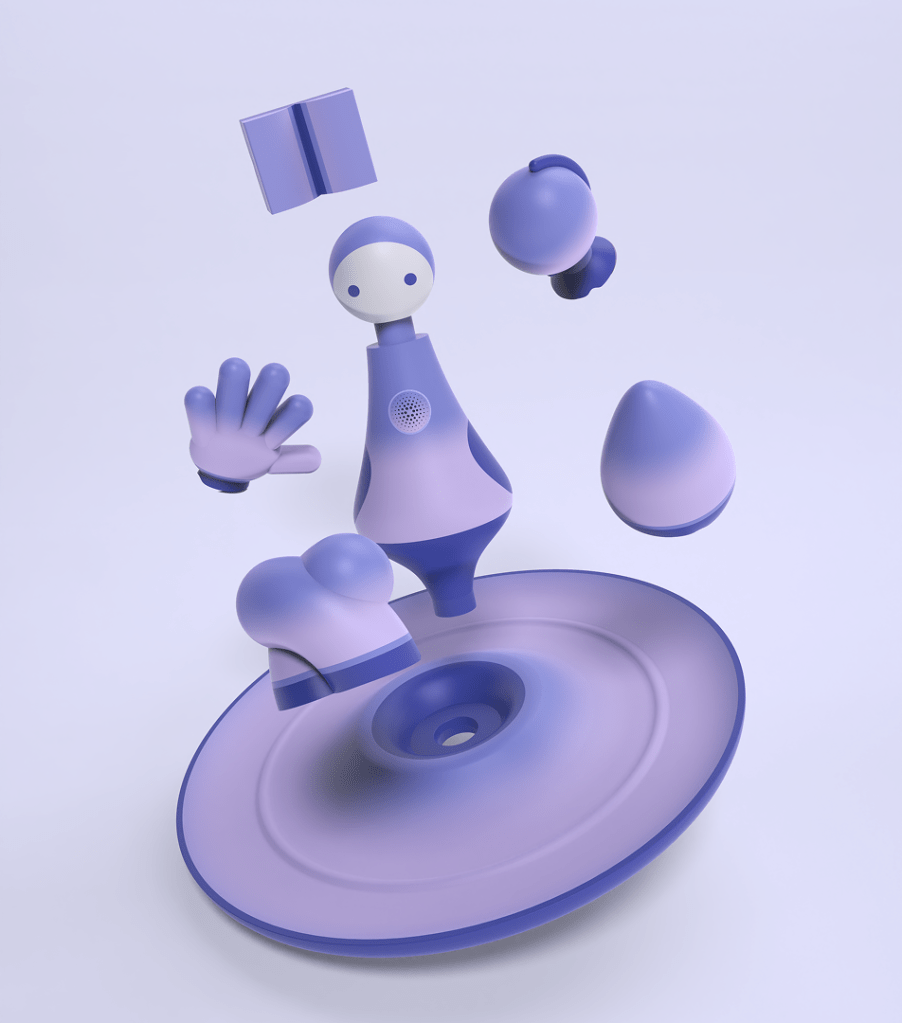
Introduction.
Menstrual education is not a new topic, yet it has long been embedded within sex education, often limited to biological aspects. However, it involves navigating bodily changes, understanding gender, and self-exploration, which cannot simply be taught through instruction. To address this, I designed an interactive voice toy that provides a space for girls to openly discuss these topics, helping them understand and embrace their growth through conversation.
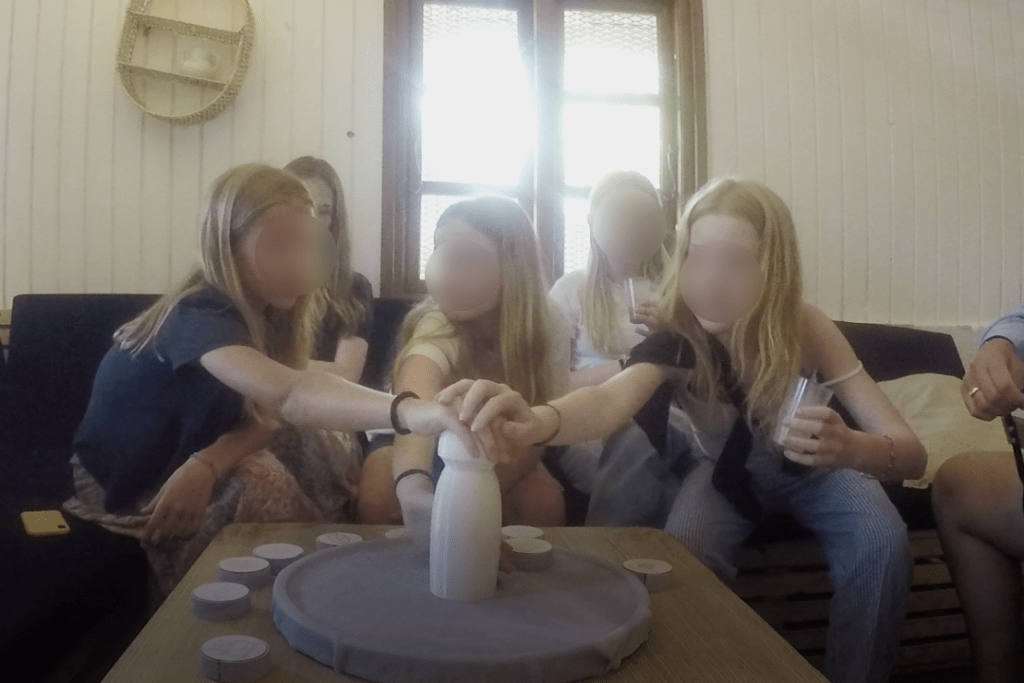
A simple loop of listening and sharing. The interaction is designed to be intuitive, guiding girls from passive learning to active discussion.
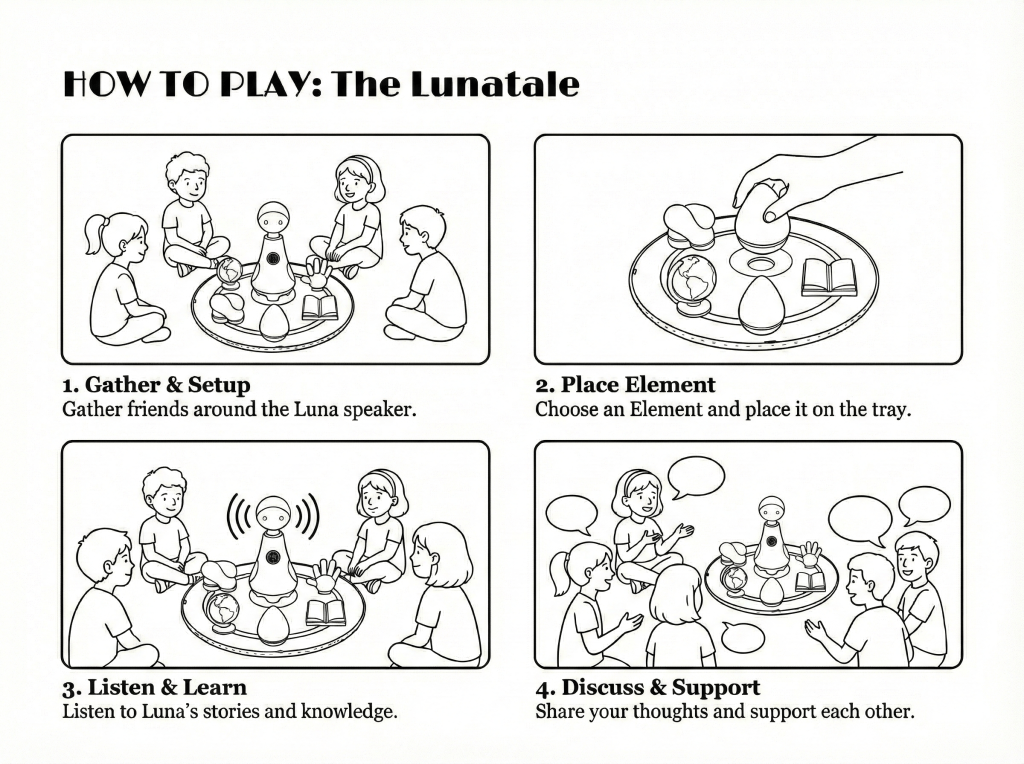
Structure

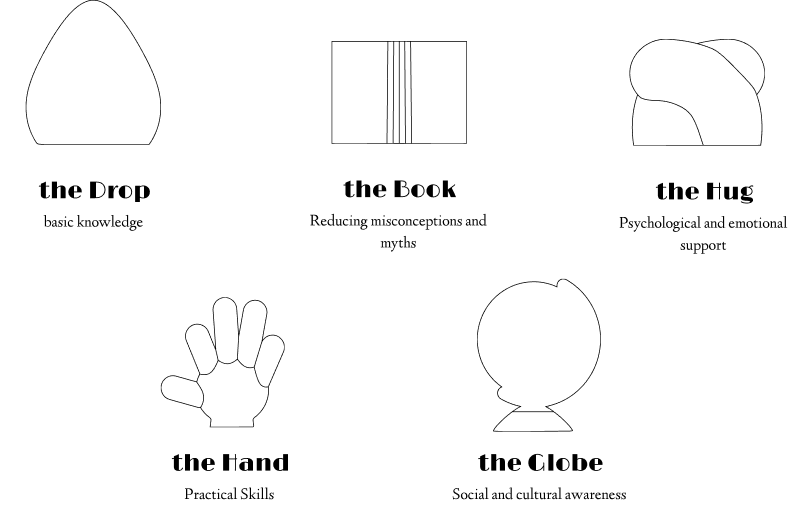
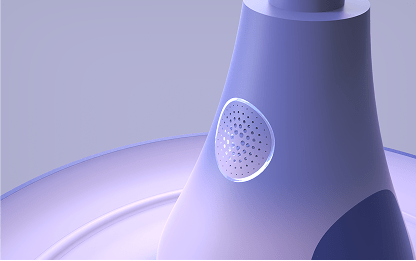
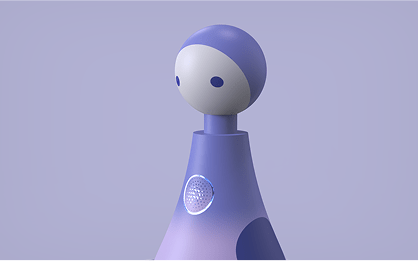
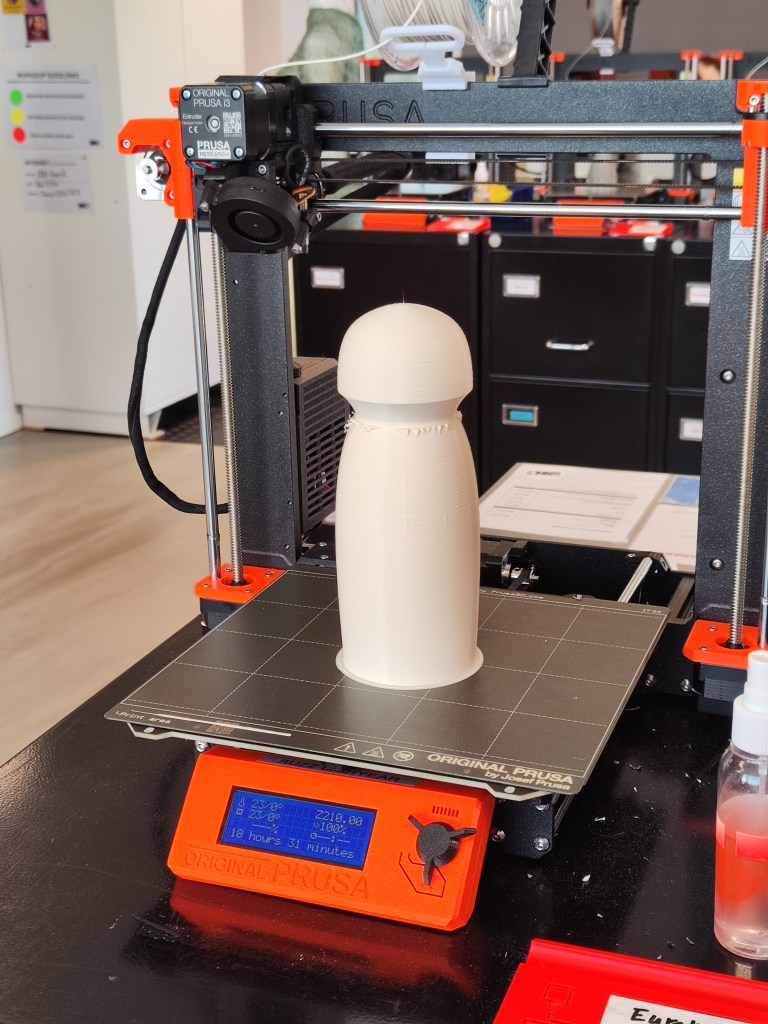
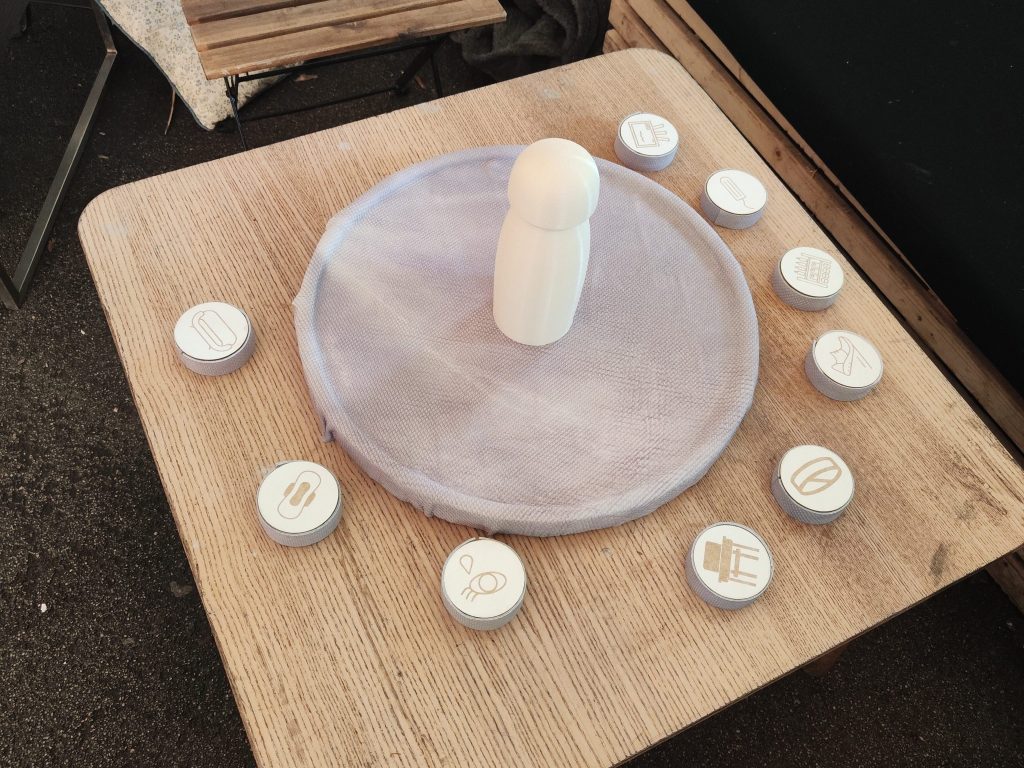
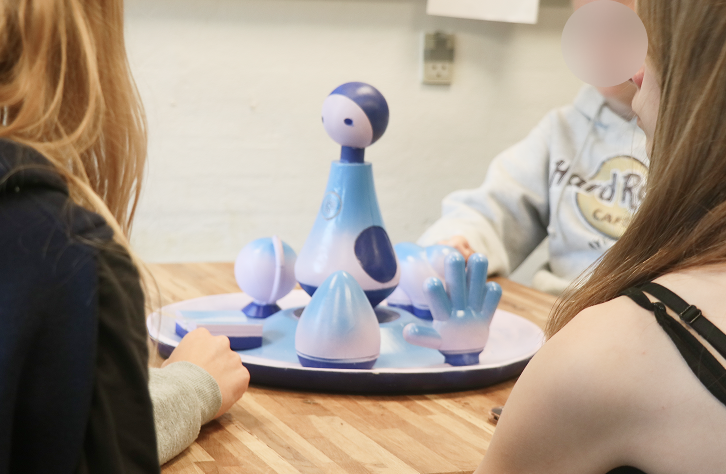
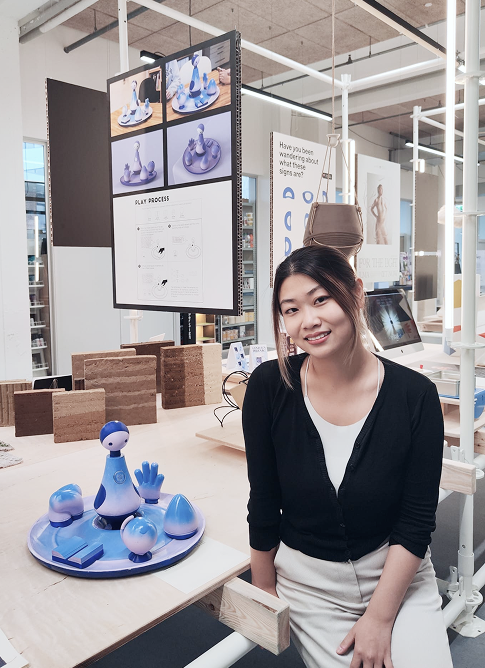
The product consists of several key components. The Doll Shape Speaker (Aka Luna) serves as the central hub, encouraging children’s conversations by acting as an agent that introduces life scenarios related to menstruation that children might find difficult to discuss. The Indicator Light shows the switching status of the device. The Audio Elements provide different sounds and knowledge related to the product, with each element offering unique content. Finally, the Tray holds the Speaker, Elementals, and integrates RFID technology components and batteries for the overall functionality of the product.
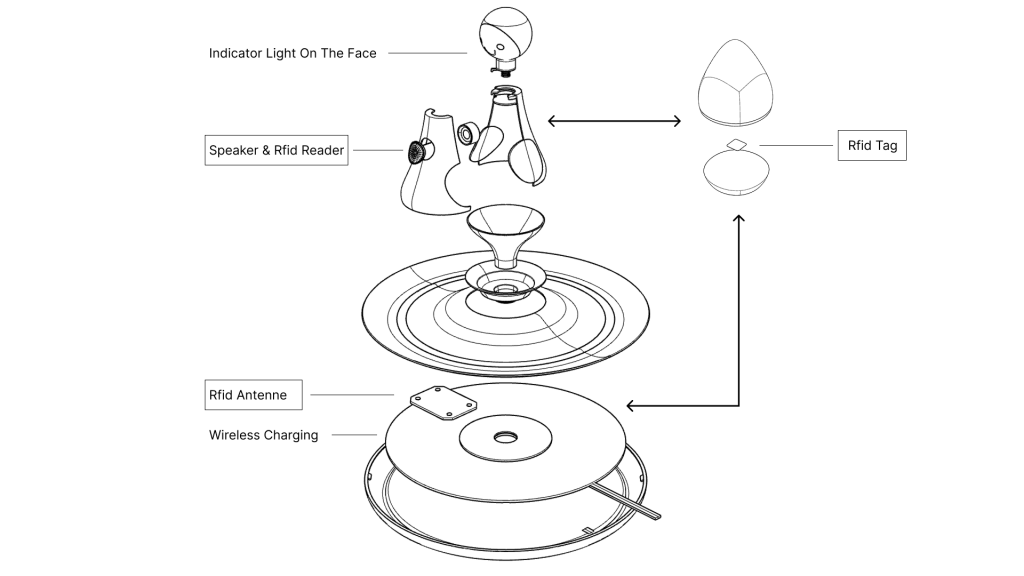
Technology
The Doll Shape Speaker (Aka Luna) serves as the central hub, encouraging children’s conversations by acting as an agent that introduces life scenarios related to menstruation that children might find difficult to discuss. The Indicator Light shows the switching status of the device. The Audio Elements provide different sounds and knowledge related to the product, with each element offering unique content. Finally, the Tray holds the Speaker, Elementals, and integrates RFID technology components and batteries for the overall functionality of the product.

Research Process.
During the research phase, I employed a transformative design methodology. My exploration centered on the following three core questions.

Interviews
5 with parents

I conducted 5 online interviews with parents from online communities, with their children aged 2 to 11.
interview content:
-Family Information
-Attitudes Towards Menstrual Education
-Past Experiences
3 with experts
Tan Xue Ming
Education Orientation Specialist,Worked for an NGO working on girls’ well-being and sexuality education.
Sandi Sjørup
A professional sex therapist and educator, working with Dansk Kvindesamfund.
Maria Stevenson
sex education expert, from Sundhedshuset Odense.



Field Study
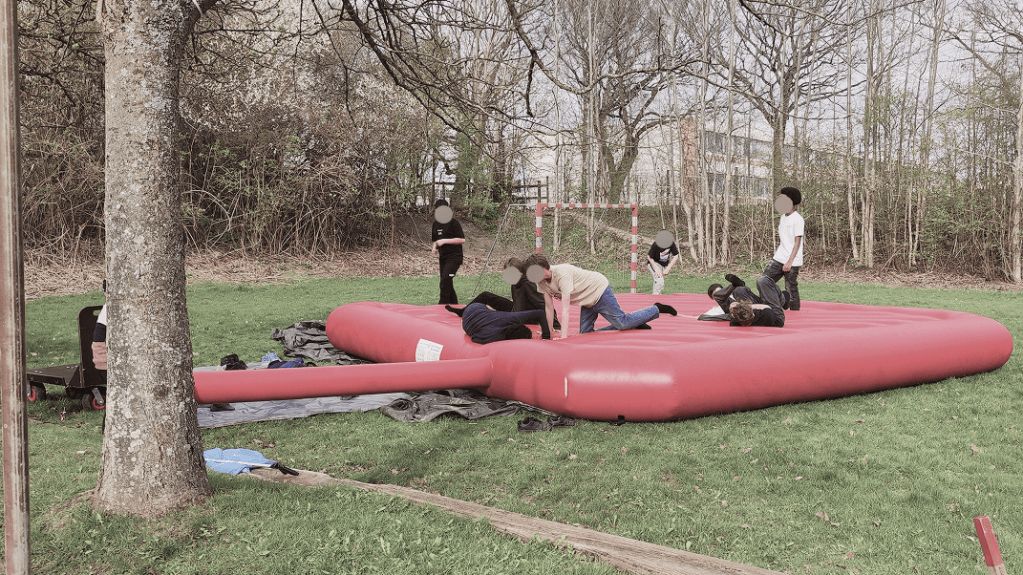
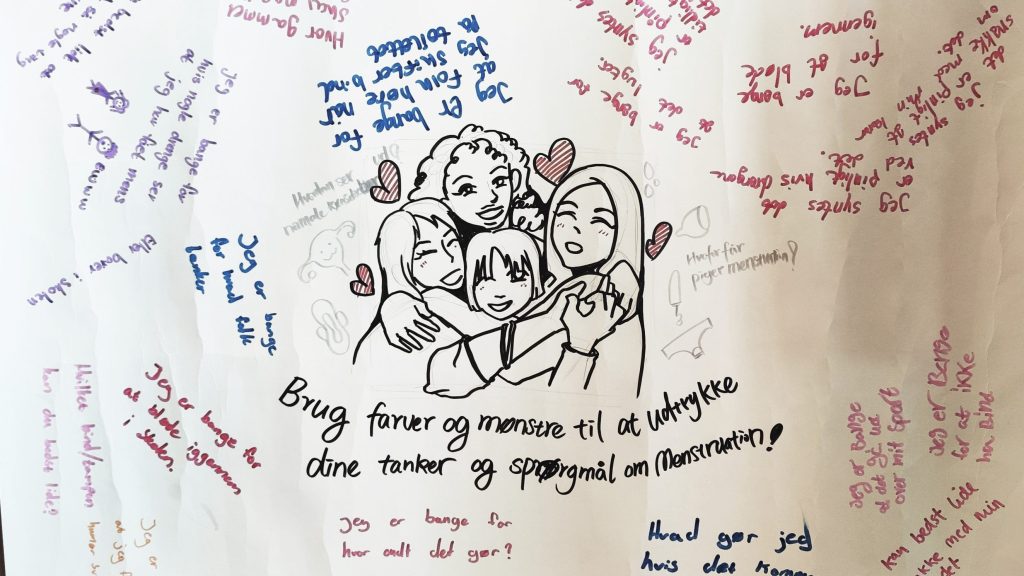
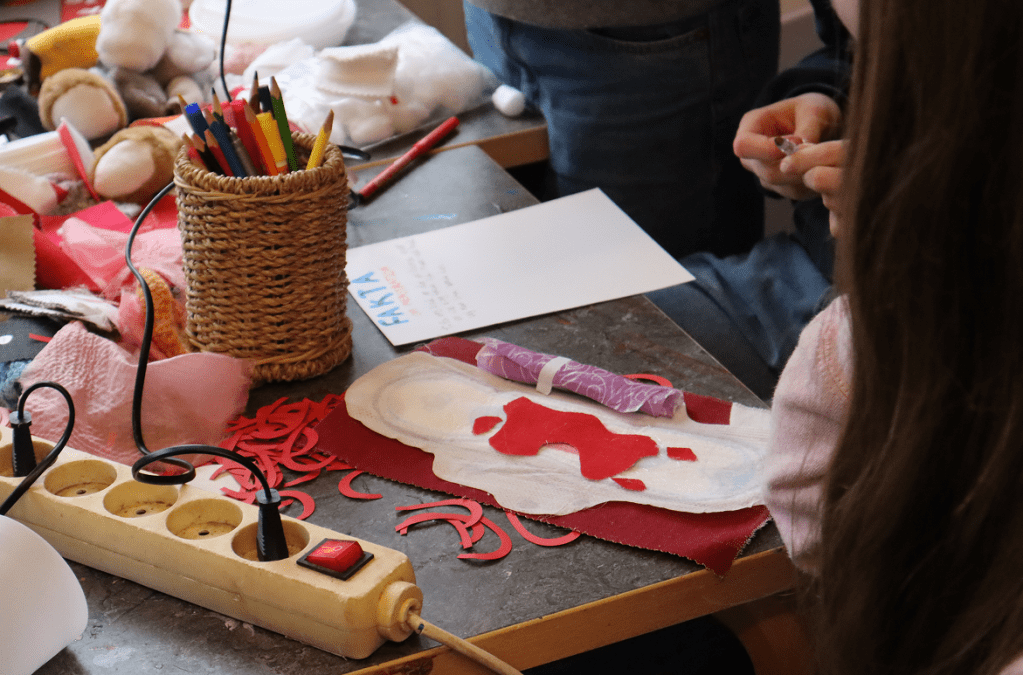
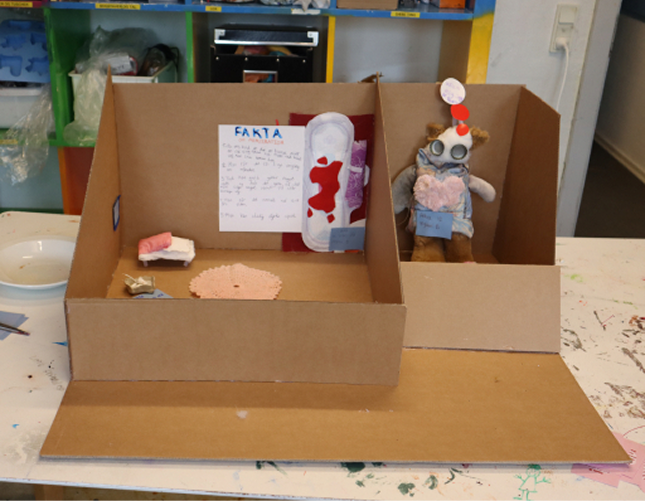
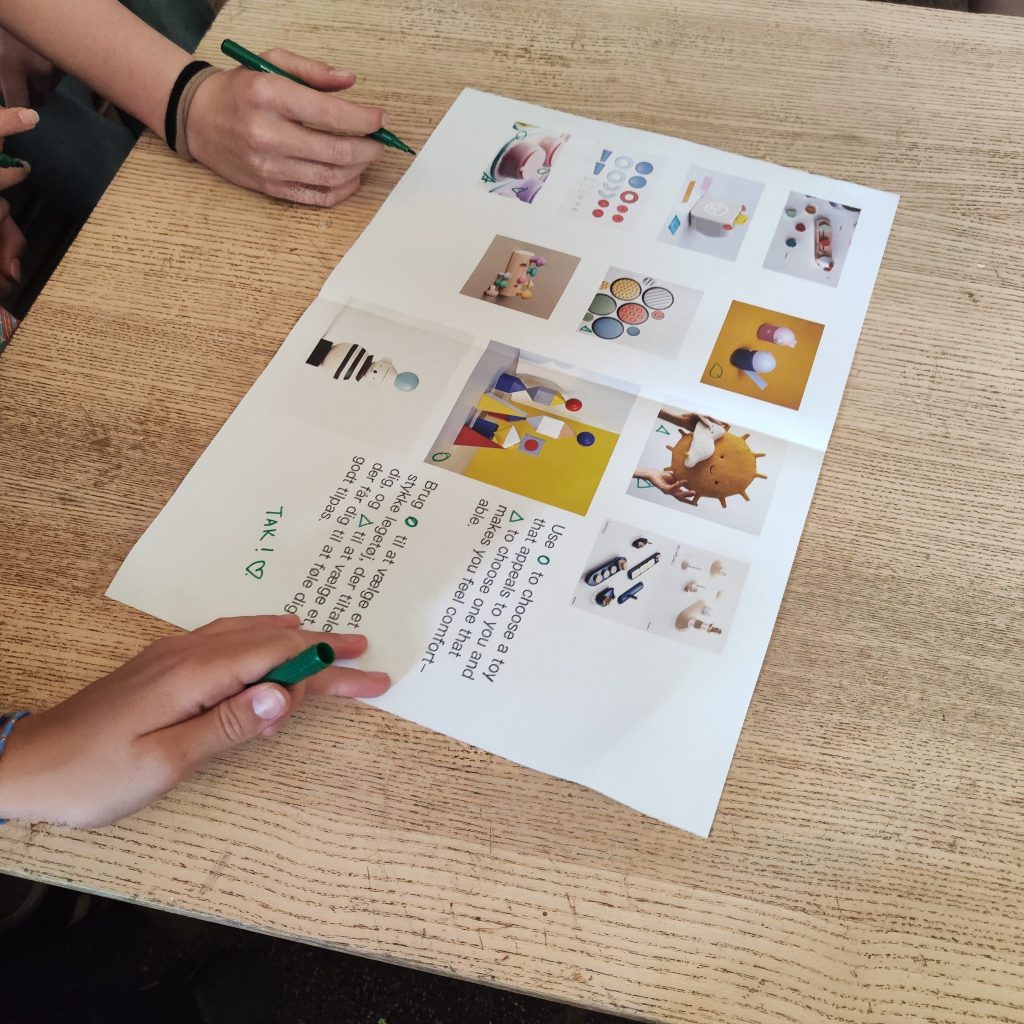
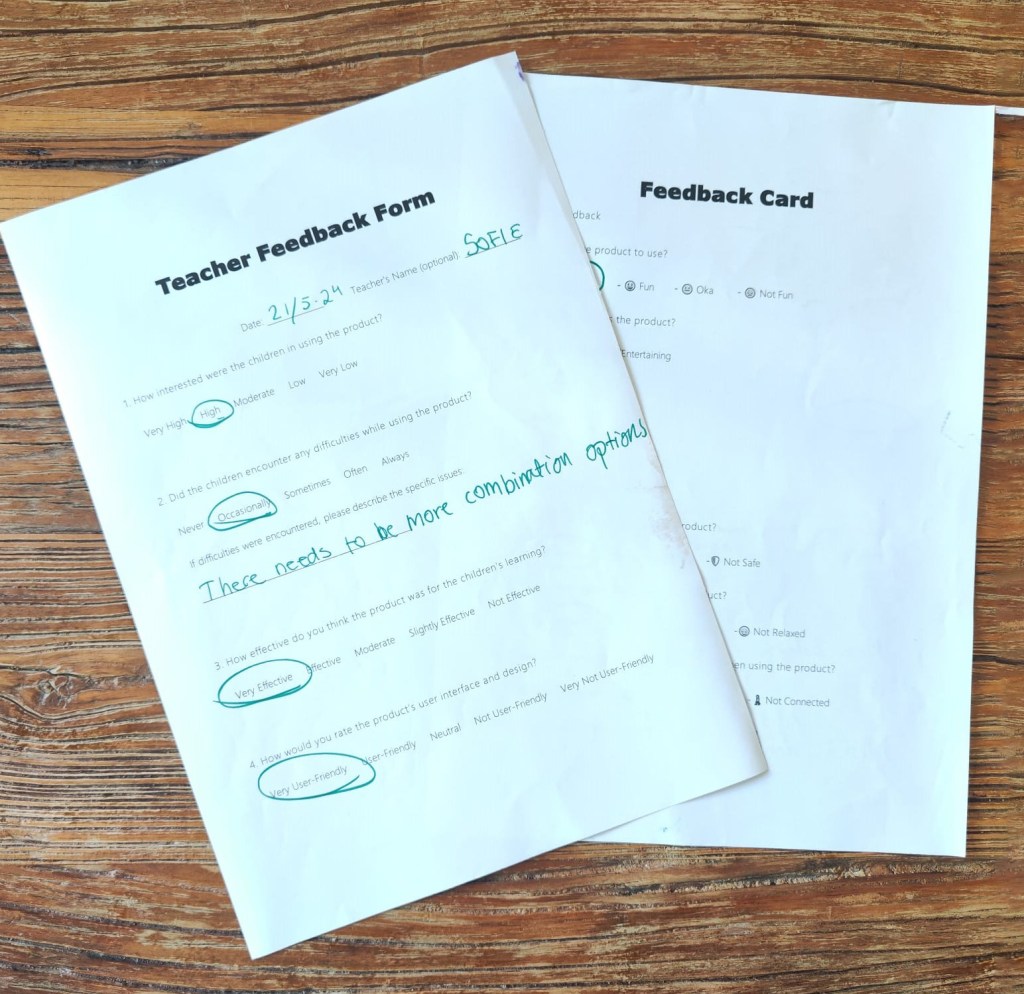
I landed a collaboration with the Musvågevej club in Aarhus, where I conducted a series of field trips, workshops, and product tests.
2 Workshops
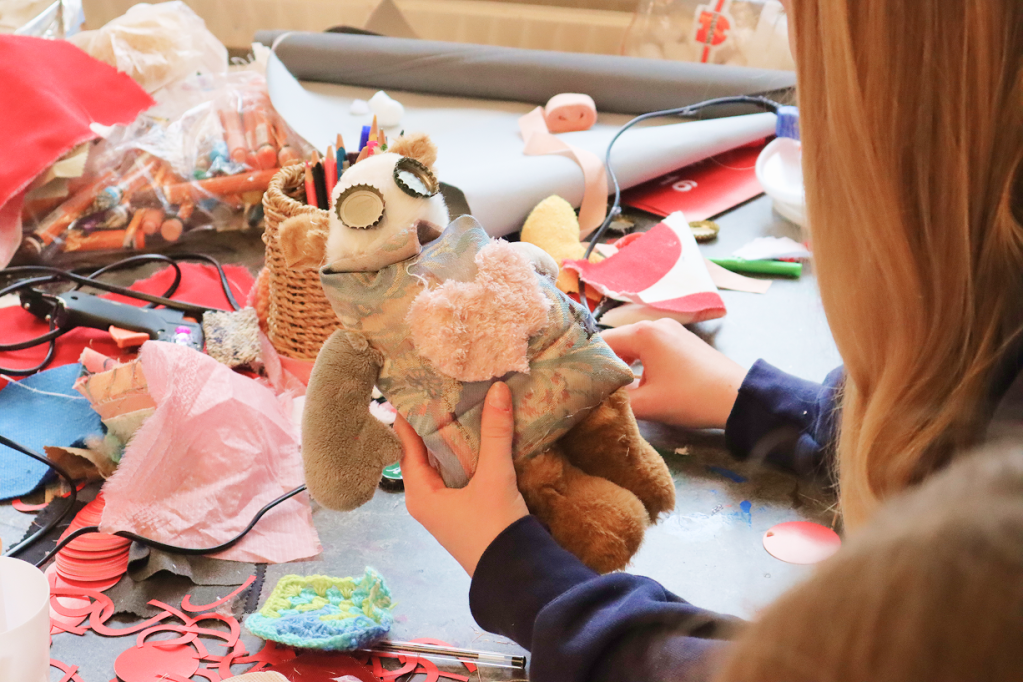
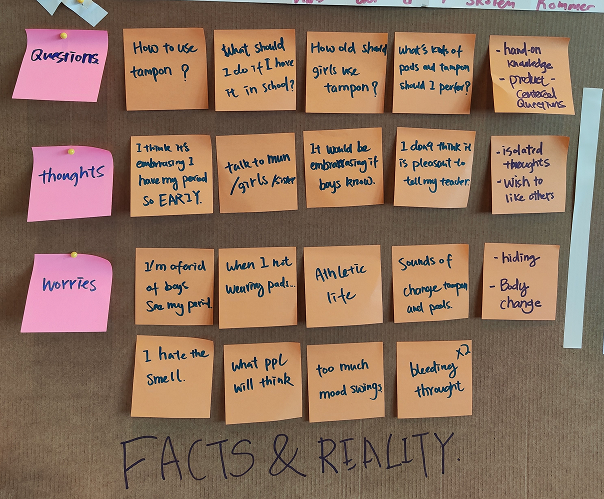
A. workshop with educators
Approach: Card sorting, coordinate-axis mapping.
Why educators?
Teachers directly interact with kids and understand their needs.
They have deep knowledge of the educational environment and rich experience.


From Findings to the Concept
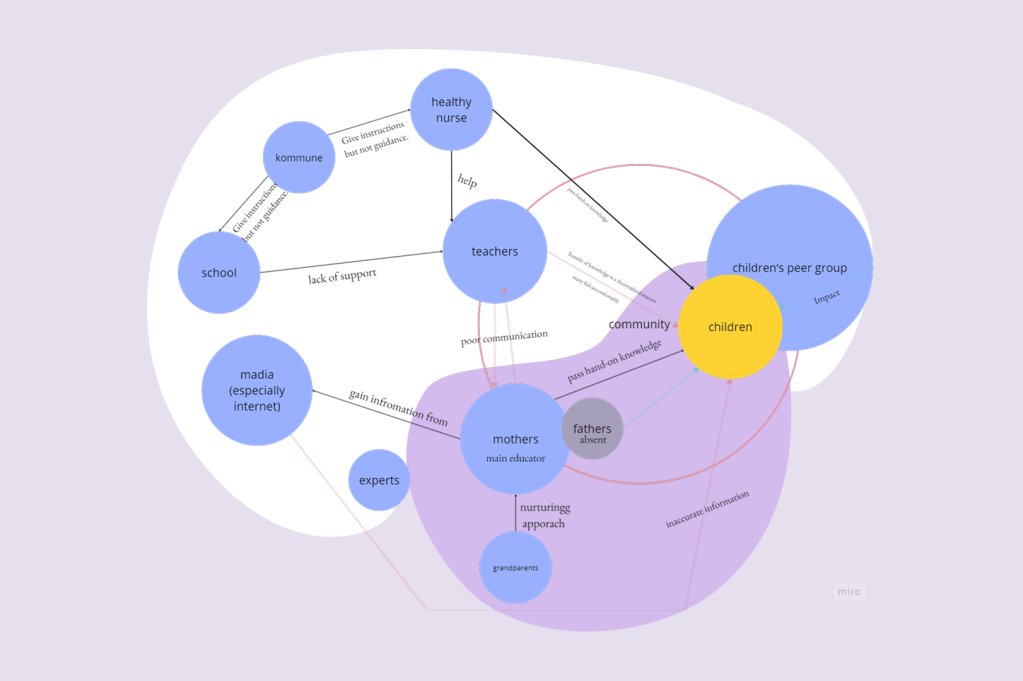
Finding 01: Beyond Biology
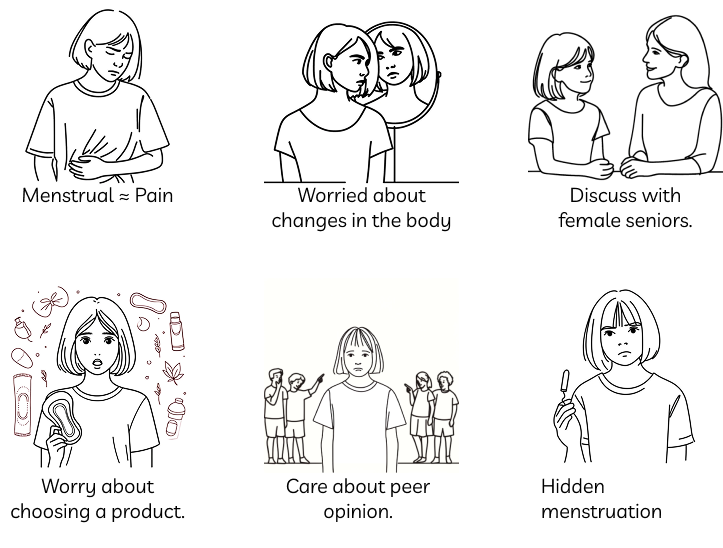
Current education overlooks the emotional journey. Existing menstrual education is often limited to biological facts and hygiene management. However, research shows that girls struggle significantly with the psychological and social aspects—such as mood swings, gender identity, and self-exploration—which are rarely addressed in traditional curriculums.
Finding 02: The Power of Storytelling
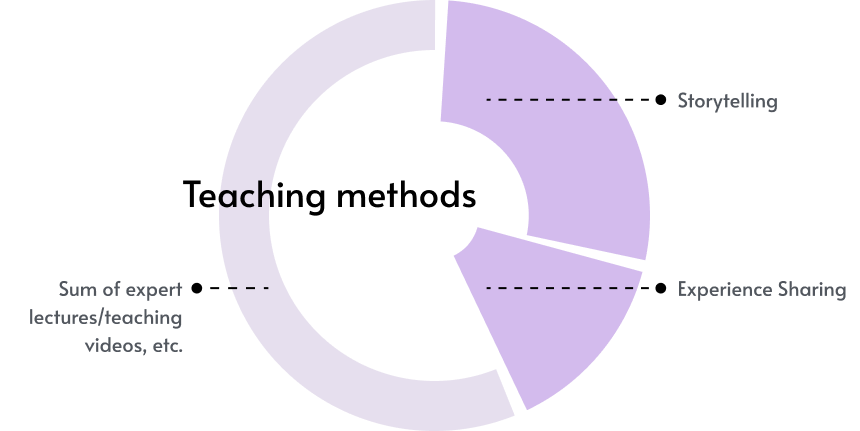
Narratives are more effective than lectures. In workshops with educators, “Storytelling” and “Experience Sharing” were unanimously identified as the most effective pedagogical methods (mentioned 8 times, ranking #1). Unlike dry instructional videos, narratives allow children to connect emotionally with the topic and learn through empathy rather than memorization.
Finding 03: The Need for Peer Support
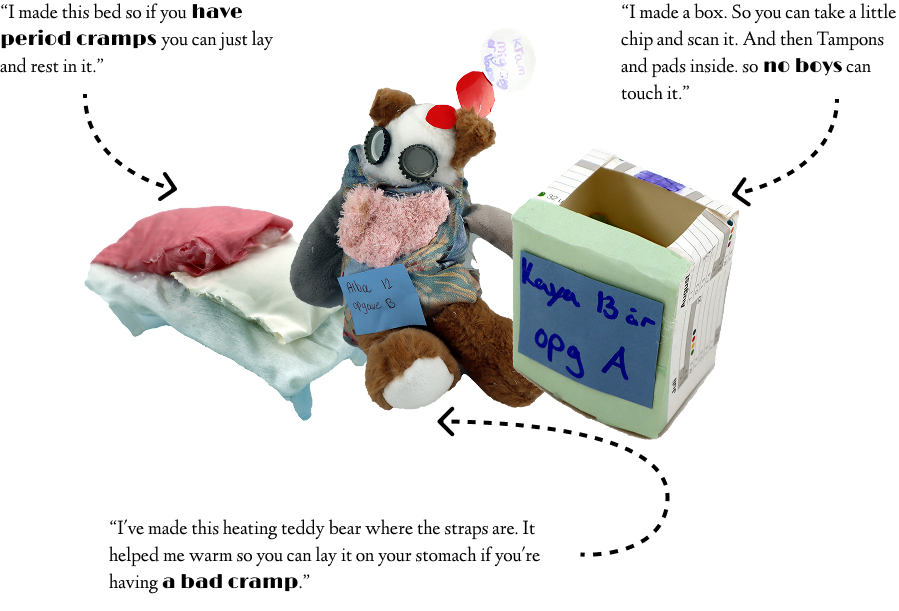
Transitioning from isolation to shared experience. While information is accessible in developed regions, the physical transition of puberty is often experienced in isolation. Girls crave a “safe space” to validate their feelings with peers. Informal settings, like youth clubs, provide the ideal relaxed environment to facilitate these open, non-judgmental conversations.
Ideations.
How might I create something that can inform girls about how to deal with daily challenges and help them have a positive mindset to menstruation by sharing experience in the peer group?
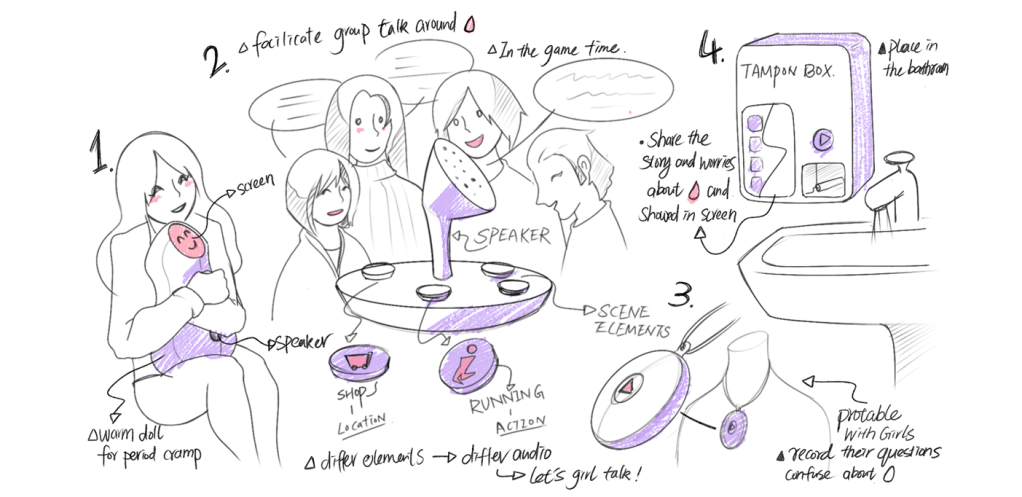
Concept.
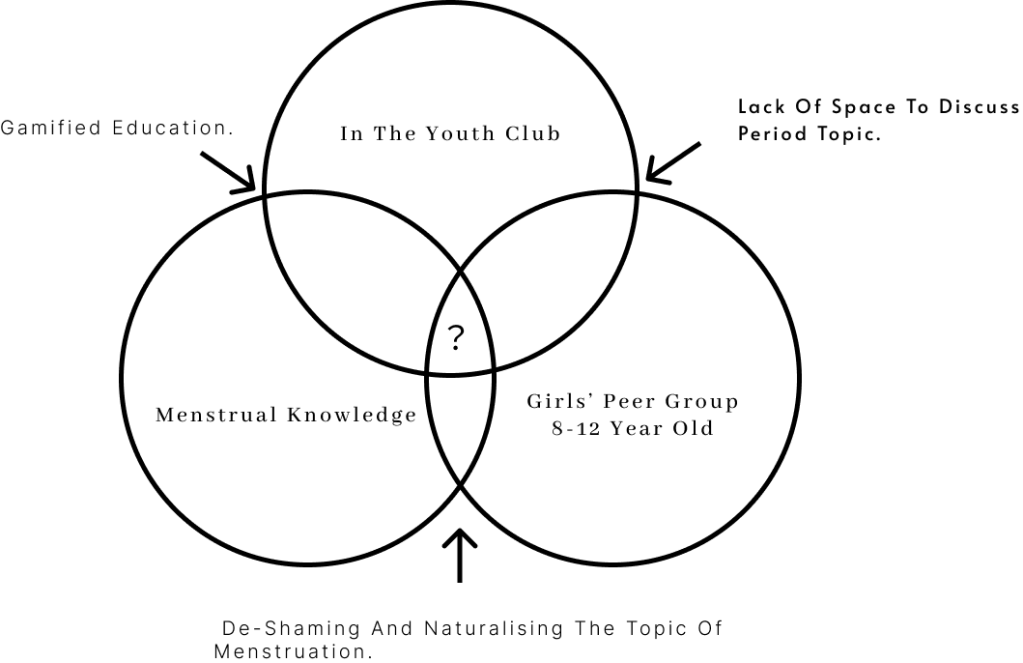
The Concept A Story-Driven Audio Companion for Youth Clubs.
The Lunatale creates a safe, gamified space for girls (aged 8-12) to explore menstruation. By combining interactive audio scenarios with collaborative play, it transforms a taboo topic into a natural, engaging group conversation—turning isolation into connection.



Write at the end.
Feminism was one of the reasons I chose to become a product designer. Ending my education with this project feels right—it’s my answer to myself.
Please feel free to contact me if your organisation is interested in working with me!
 Eureka [Xinyi] Wang Design